
2023 - Present
Research Assistant
The University of Alabama, Tuscaloosa, AL, United States
Case studies showing how research design, instructional design, and evaluation work together.
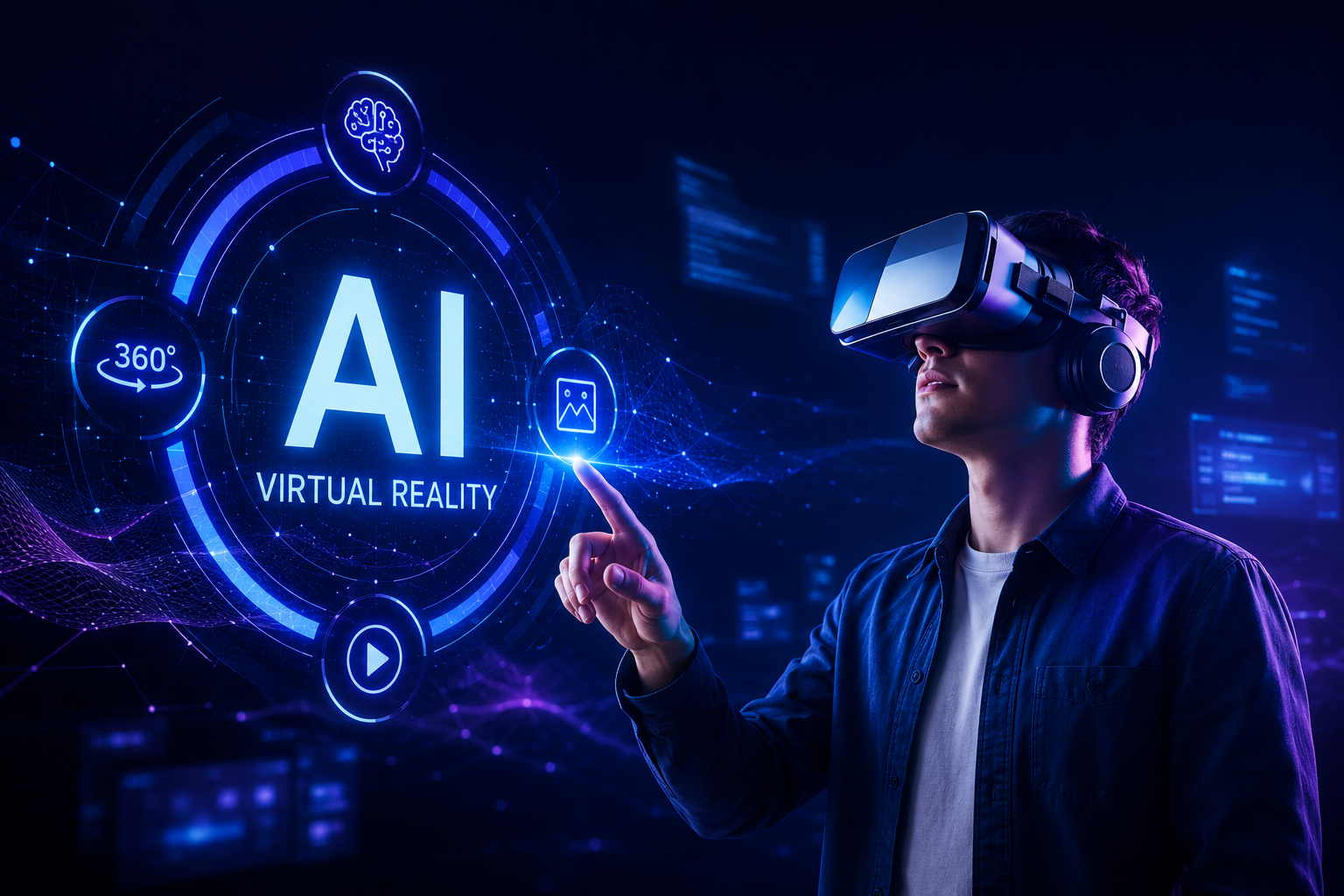
Studying how immersive technologies and AI-supported instruction reshape how learners experience knowledge.
These studies show how David approaches design, evaluation, and scholarly contribution across immersive learning, AI literacy, and multimodal analytics.

These roles provide context for the design and research work described below.
Research Assistant
The University of Alabama, Tuscaloosa, AL, United States
Research and Instructional Design Assistant
Federal University of Technology Minna, Nigeria
Educator and Classroom Instructor
Model Secondary School, Federal University of Technology, Minna
Mathematics Educator
Abarikpo Community Secondary school, Ahoada, Rivers Solved administrative problems for the school which resulted in over 100% improvement in the results of the students. Engaged and sustained students in an effective...
The content below preserves the narrative richness of the previous site while using the new shared design system and deploy workflow.
University of Alabama · Civil engineering safety training · Mixed-methods design and analytics
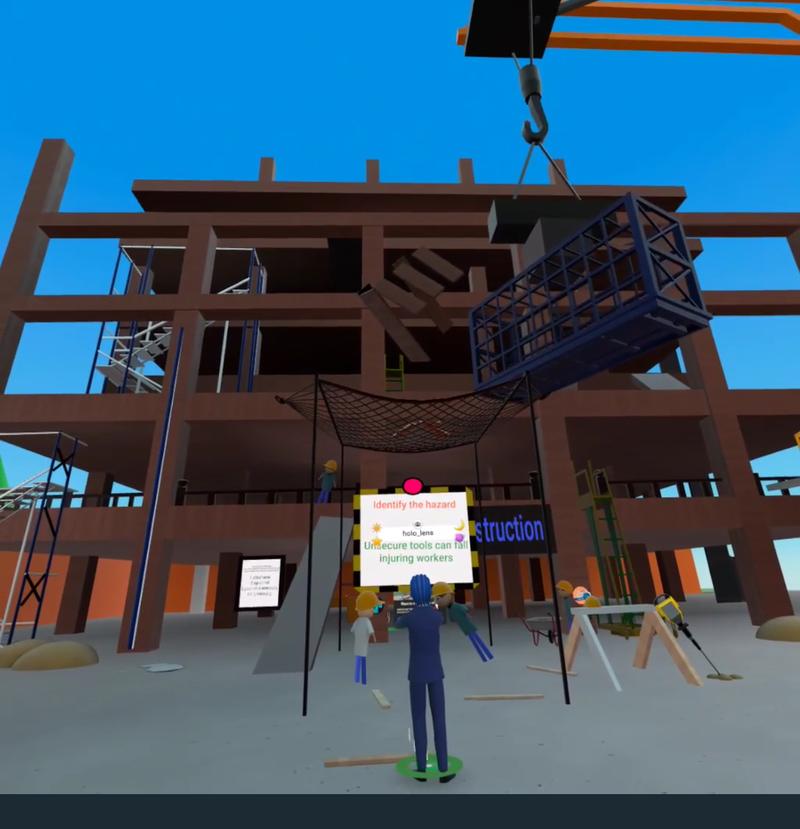
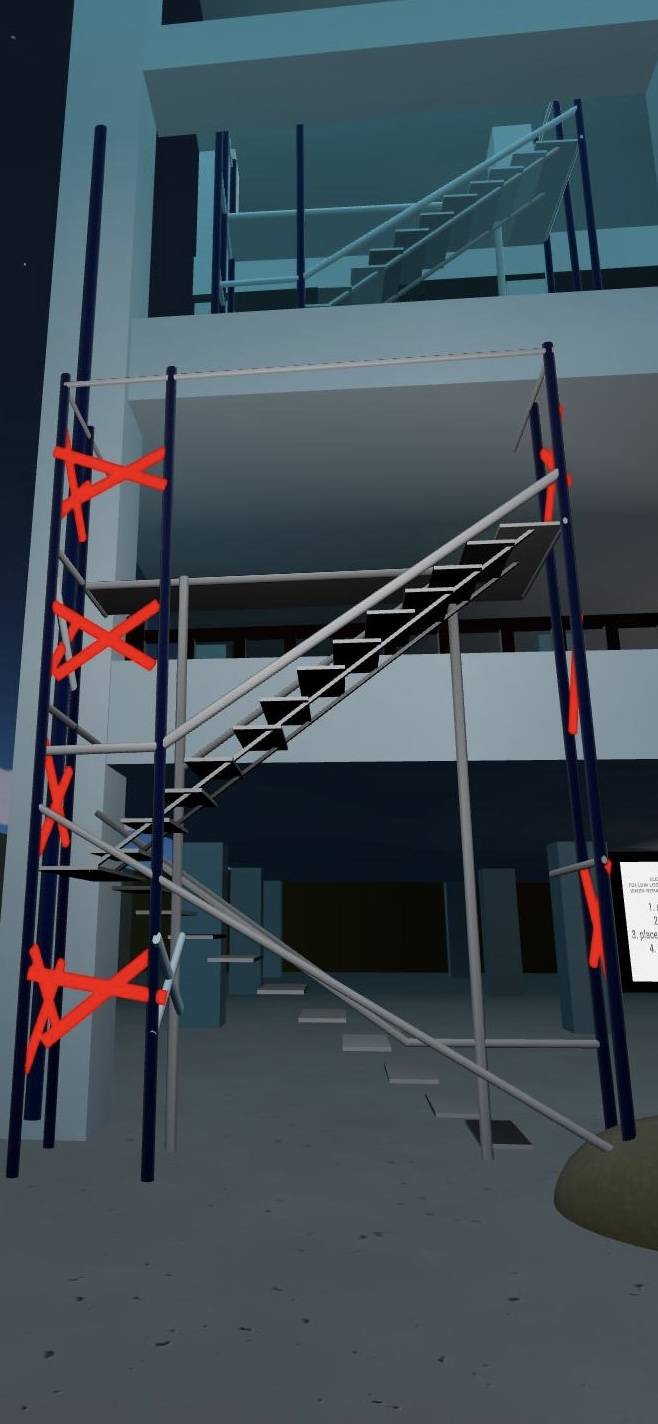
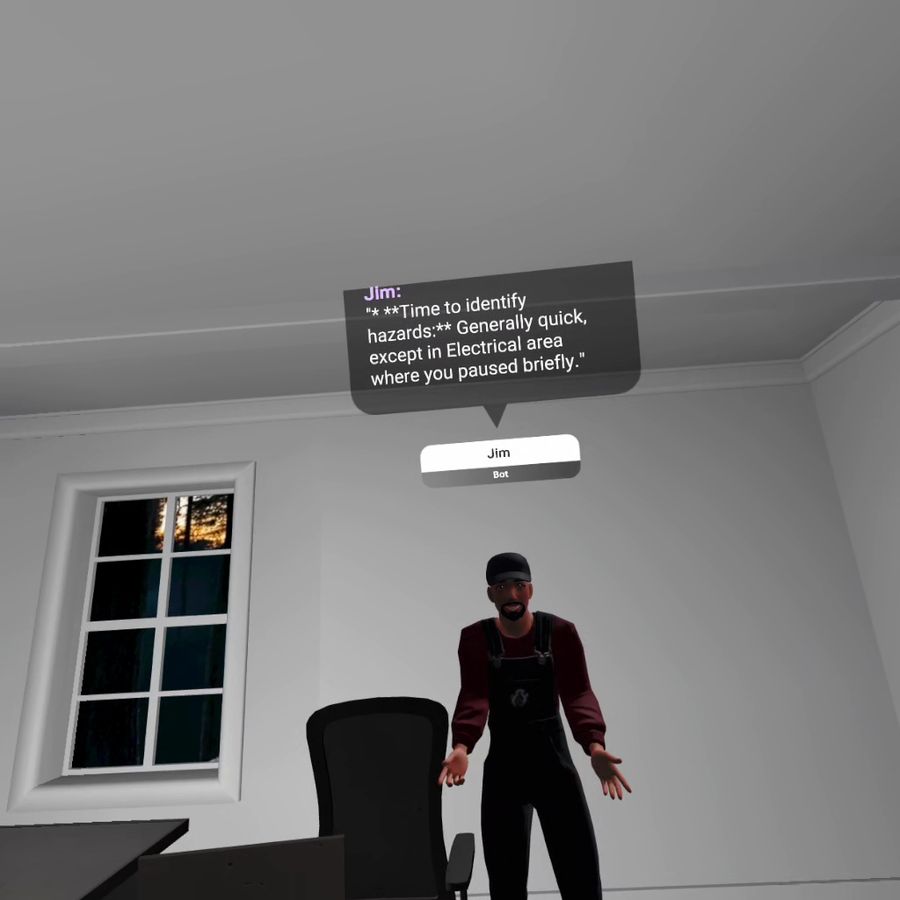
Construction safety instruction often depends on low-immersion demonstrations that make hazard recognition difficult to practice authentically before students enter high-risk settings.
The project uses generative-AI-supported virtual environments and structured hazard-identification tasks to study how learners notice risks, shift strategies, and develop safer decision patterns in authentic contexts.
This case anchors a broader research direction: immersive environments become more valuable when they are not only engaging, but also analytically transparent enough to reveal how expertise develops over time.
University of Alabama · Undergraduate AI literacy design · Cross-disciplinary curriculum development
Students increasingly encounter AI tools in academic and professional settings, yet many programs still lack structured, ethical, and workforce-relevant AI literacy experiences.
AI-WISE organizes practical AI skills, ethical reasoning, and reflective evaluation into modular learning experiences that faculty can adapt without needing deep technical specialization.
The strongest lesson here is that AI literacy is not only about tools. It is about helping learners interpret, question, and apply AI systems responsibly in disciplinary and civic contexts.
NSF ITEST context · Elementary computing experiences · Multimodal evaluation and broadening participation
Traditional evaluation methods often miss moment-to-moment evidence of attention, cognitive load, and engagement, especially with younger learners who may not fully articulate what they experienced.
This work integrates physiological and behavioral data with more familiar assessments to create a richer view of how learners experience computing tasks and where instructional support is needed.
The project reinforced an important design belief: evaluation should not be an afterthought. It should be built into how we understand learning as it unfolds, especially in novel technology environments.
University of Alabama · Music and theater modules on Blackboard LMS · Mixed-methods online study
Pre-service teachers are entering classrooms where generative AI is reshaping how learners create, evaluate, and share knowledge, yet few have a structured opportunity to develop GenAI literacy through their own creative practice before they teach.
The program engages pre-service teachers in hands-on creative work with GenAI tools, SUNO AI, Boomy, Animake, Invideo AI, Synthesis AI, Soundtrap, across four music and four theater lessons. Each lesson scaffolds prompt engineering, AI feedback evaluation, and AI ethics reasoning alongside the artistic output: songs, soundtracks, animated performances, digital choreography, and dramatic storytelling.
Arts integration turns GenAI literacy into something pre-service teachers DO rather than something they read about, and that change of stance is what makes the competencies transferable to their own future classrooms.
An early-stage line of inquiry, shared here while it is still taking shape.
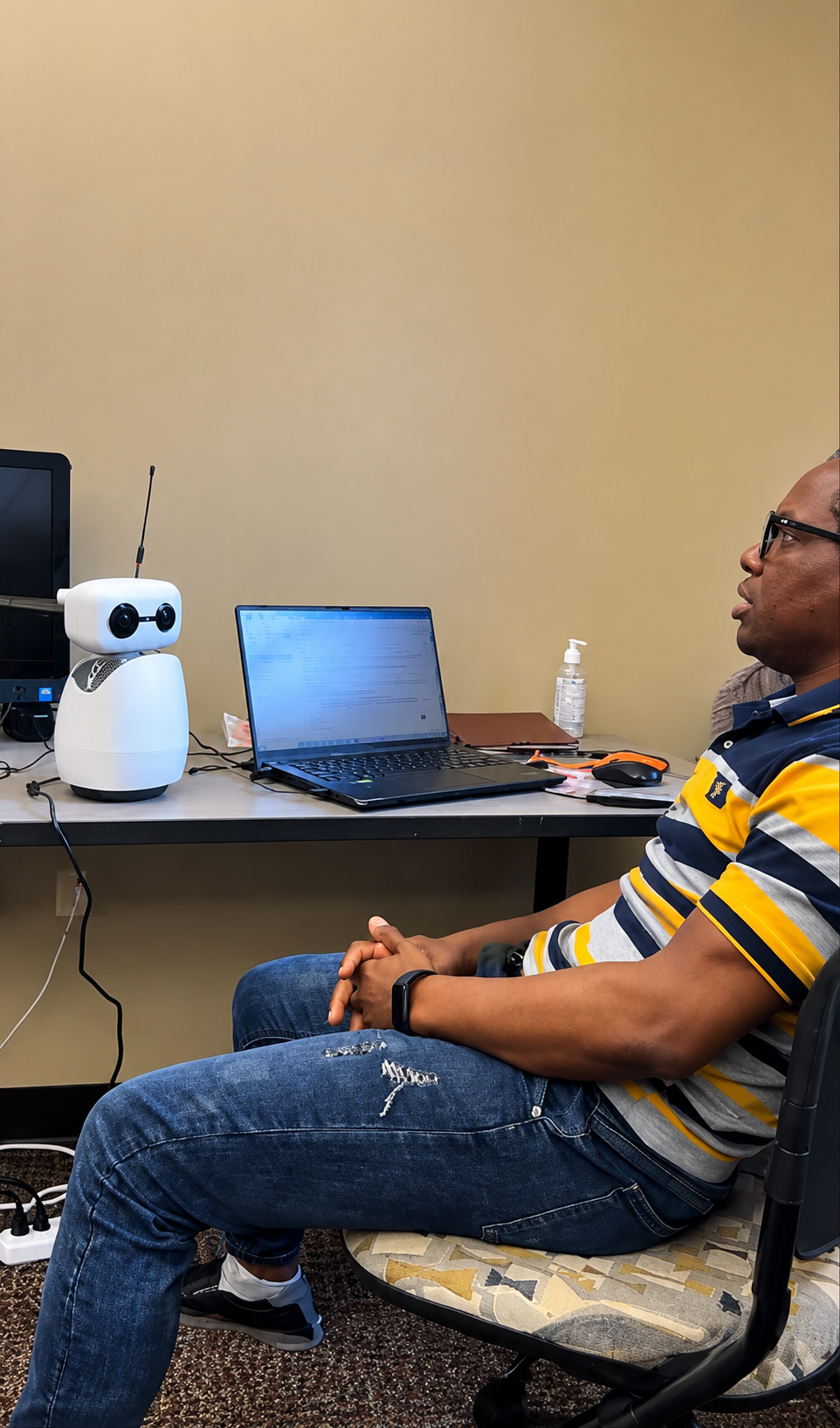 Under Exploration
I am prototyping how the Reachy Mini desktop robot can make cybersecurity concepts tangible and engaging for both in-service and pre-service teachers. The aim is an embodied, hands-on learning experience that lowers the barrier to teaching security fundamentals, pairing a friendly physical agent with scaffolded, classroom-ready activities.
This work connects my interests in immersive and emerging technologies, teacher professional development, and broadening participation in computing, extending them toward human–robot interaction as an instructional medium.